U1. Global Prehistory
1. Apollo 11 Stones
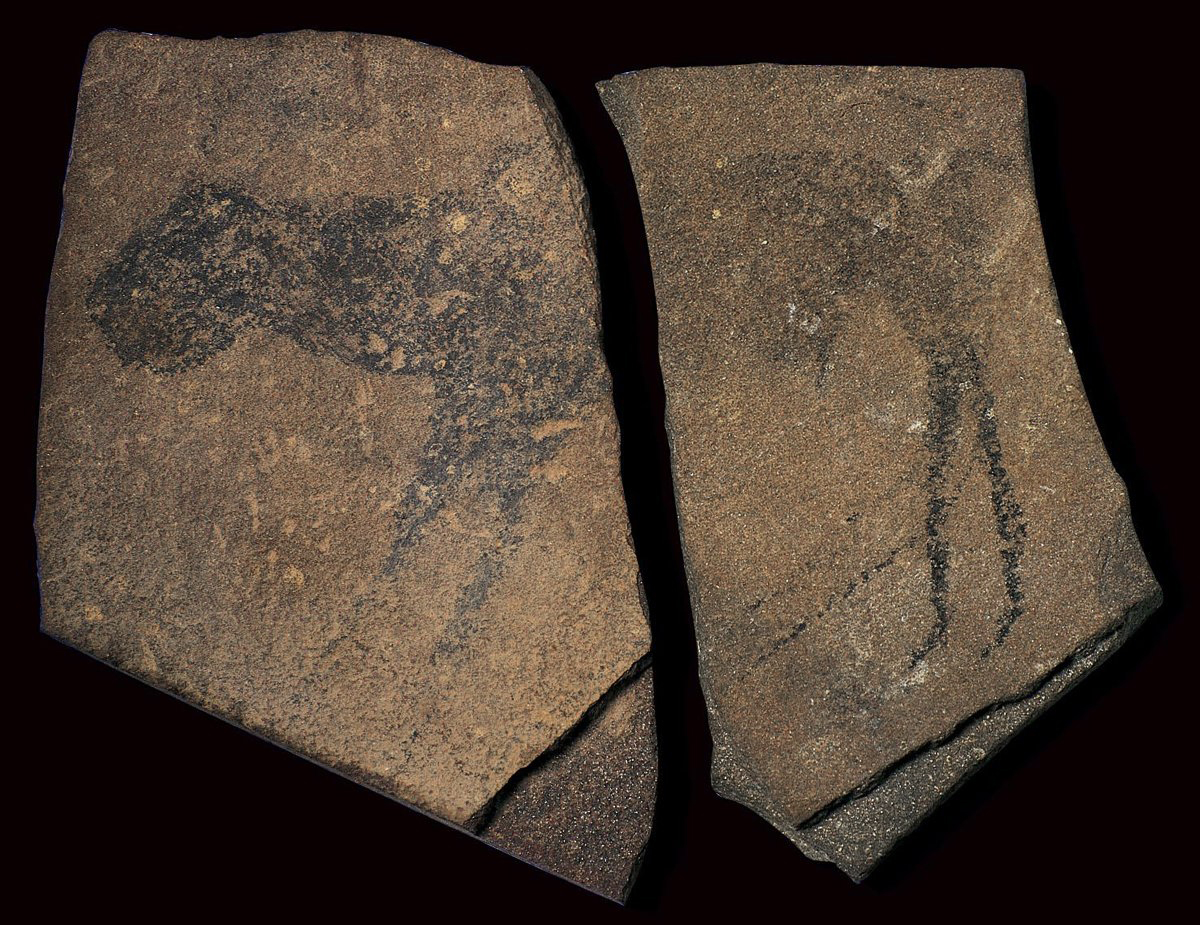
- 25 000 years old in Namibia (Southern Africa)
- charcoal on stone
- could be a combination of animal head + human form => representative of complex shamanistic belief
- also demonstrates that the artist had a capacity for imagination—“modern symbolic thought”/“the human capacity”—by drawing something that didn’t really exist in the world
2. Hall of Bulls
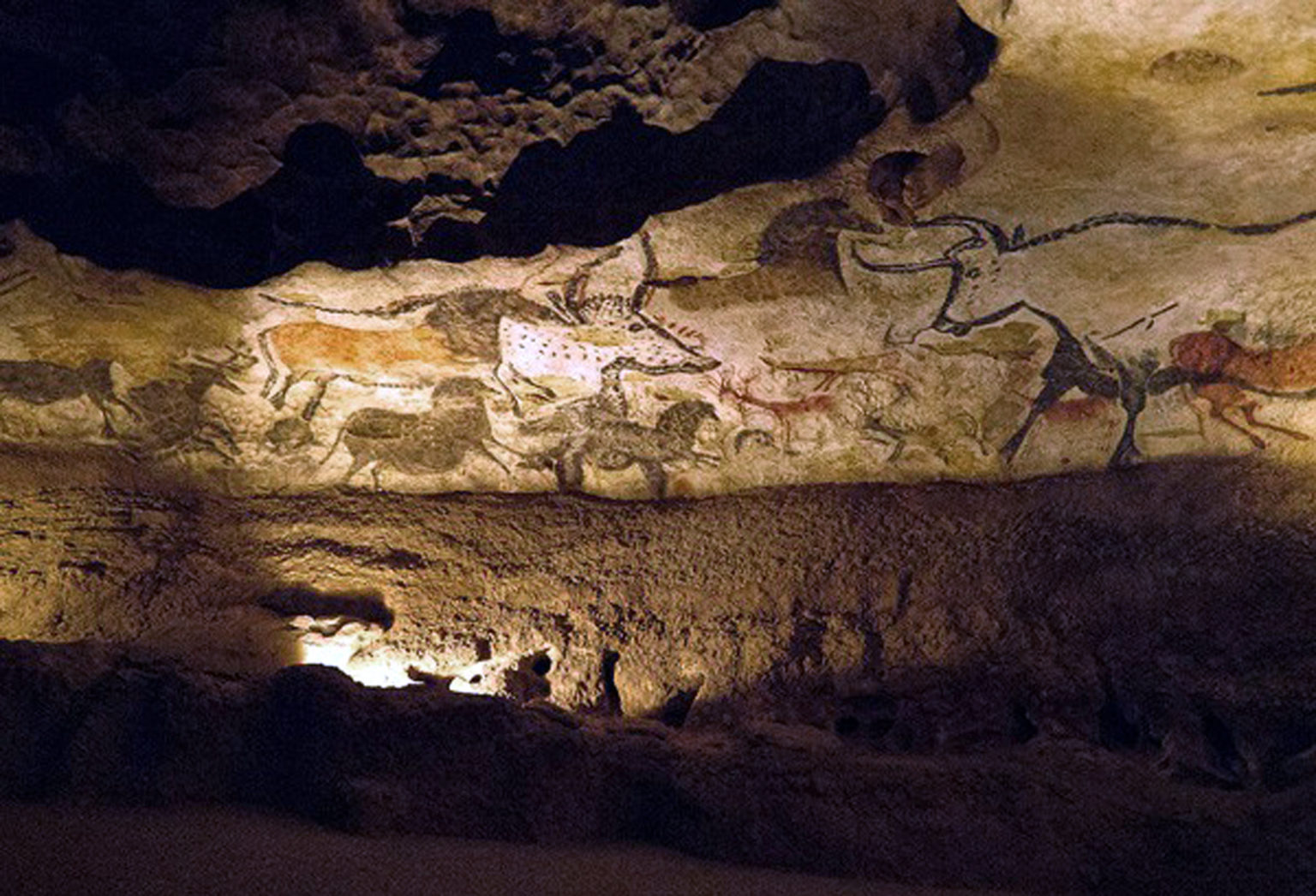
- 16000-14000 BCE, France
- caves provide “a uniquely dry place to feature art”
- artists used charcoal + ocher (natural clay pigment, comes in variety of colors like brown, red, yellow, white)
- twisted perspective/composite pose => different parts of figure shown from different perspectives
- why? some suggest for ritual purposes; artists may have believed that drawing their prey would make their hunt easier
- related to hunting or connection between moral and spiritual realm?
3. Camelid sacrum in the shape of a canine
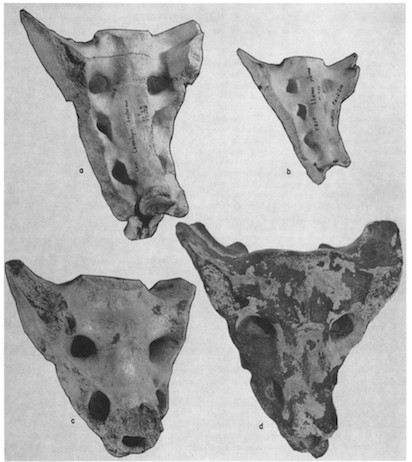
sacrum of a camel-like animal carved into a canine head
- i think it’s interesting for pretty self-explanatory reasons
- 14000-7000 BCE from Mexico, but exact time unknown
4. Running horned woman
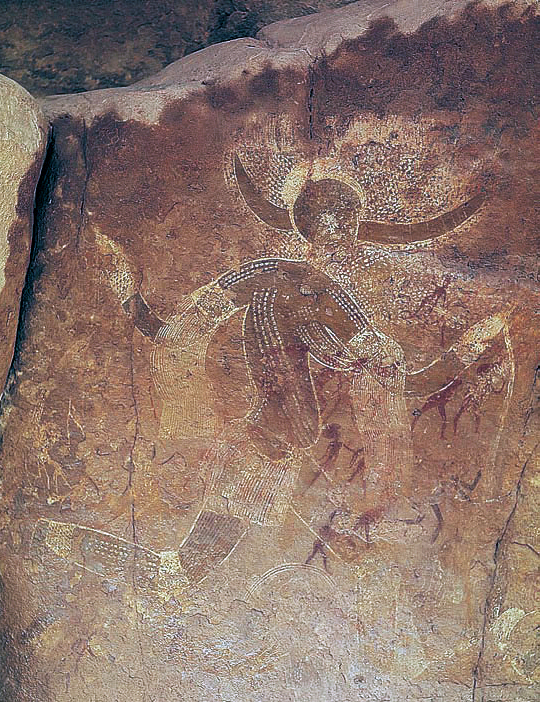
- Algeria, 6000-4000 BCE
- dots => body paint, scarification?
- no face => artistic choice, or a god?
- painted over smaller figures => worshippers?
- found at high elevation, hard to get to, isolated
5. Susa I pottery
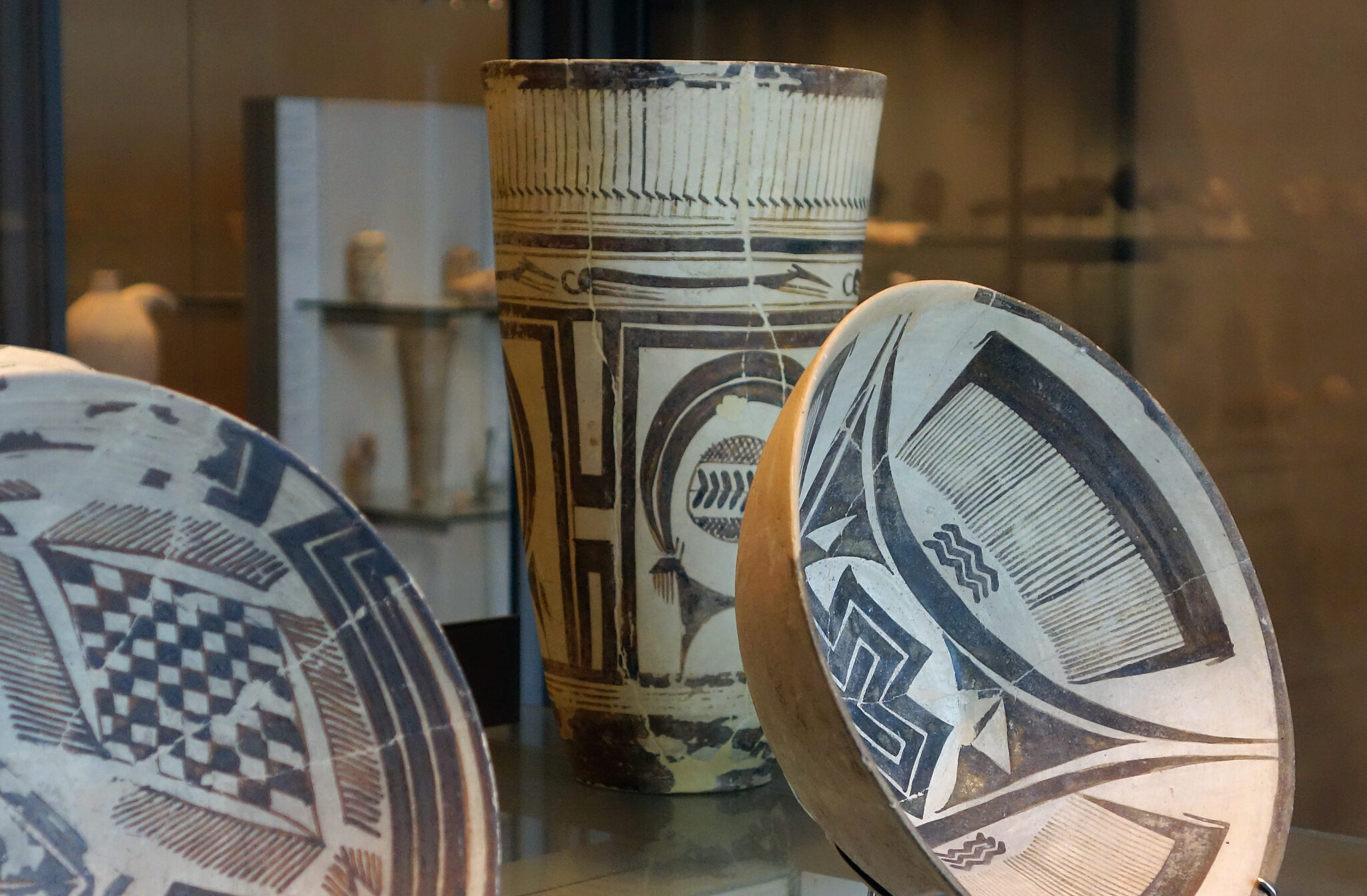
- iran 5000 years ago
- likely made for burial, not daily use
- probably not with potters wheel either => evidenced by uneven, asymmetrical markings
- painted w/ dark pigments on terra cotta
- ibex + hunting dogs => domestication
- symbol inside horn = grain
6. Anthropomorphic stele
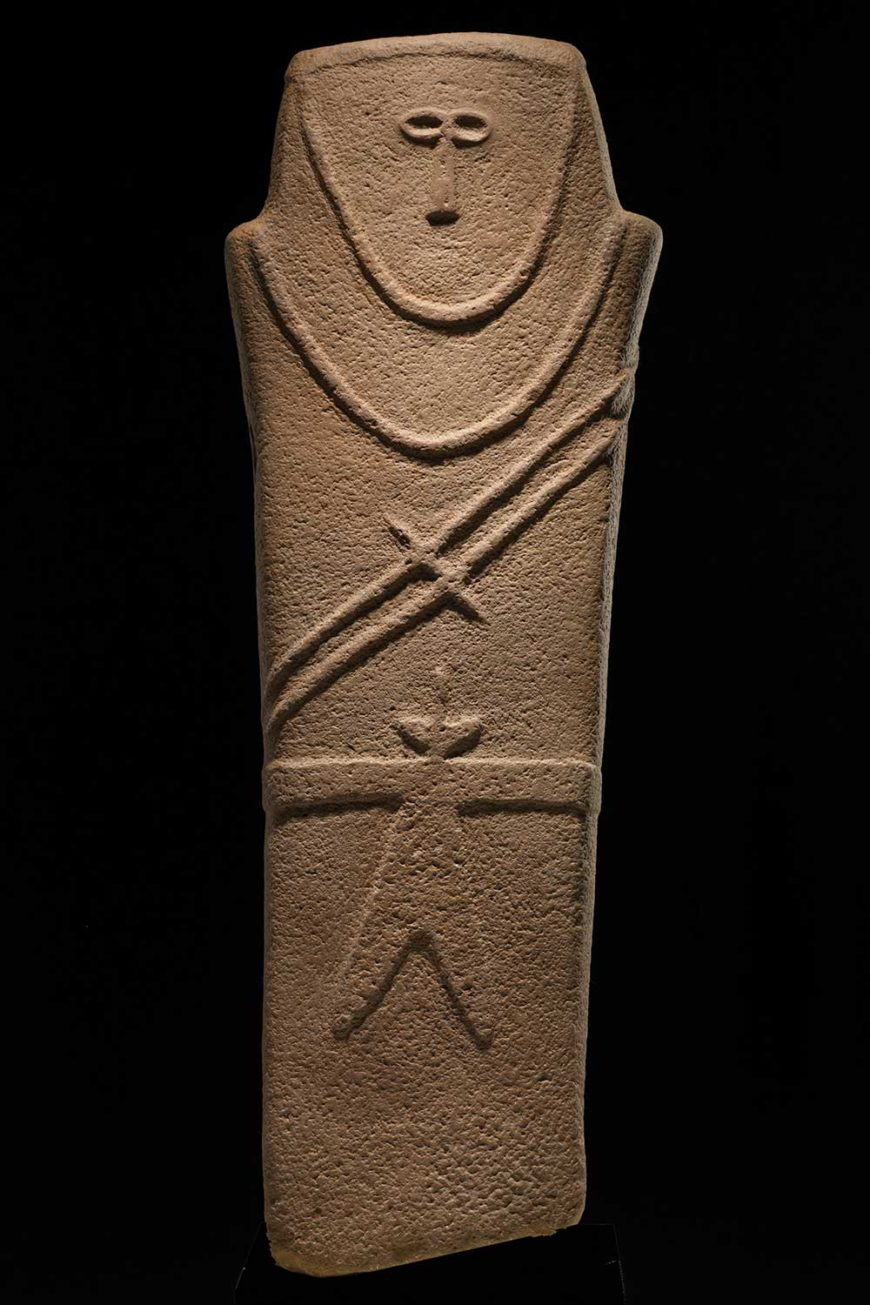
- 4000-3000 BCE in Saudi Arabia
- probably used w/ religious + burial practices
- likely depicting warriors
- similar figures found elsewhere => indicates existence of a trade network
7. Jade cong
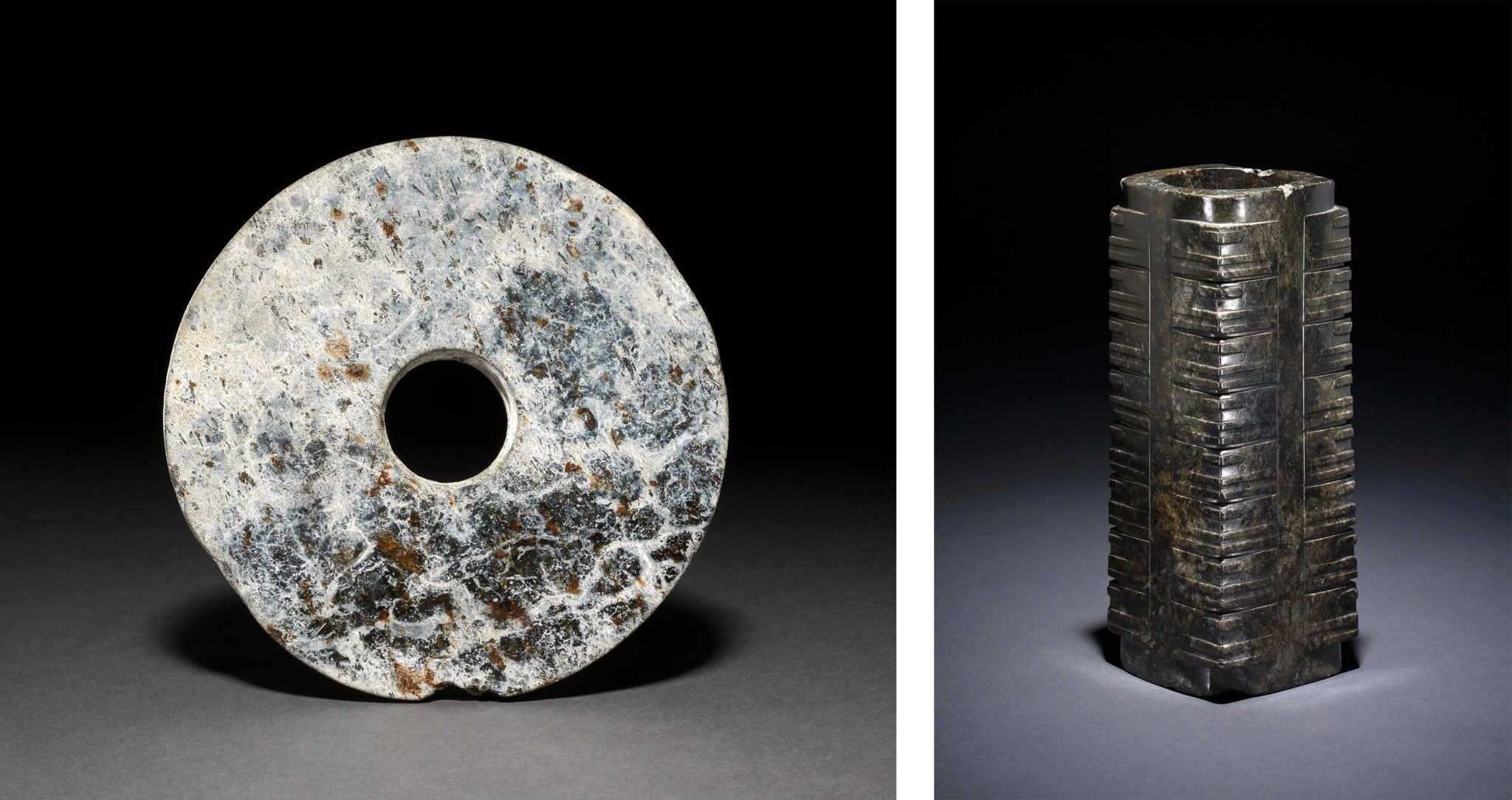
- 2500 BCE in China
- function and meaning unknown
- difficult and time-consuming
- cannot be split like normal stones, so must be shaped slowly by abrasive sand
- used to decorate tombs
8. Stonehenge
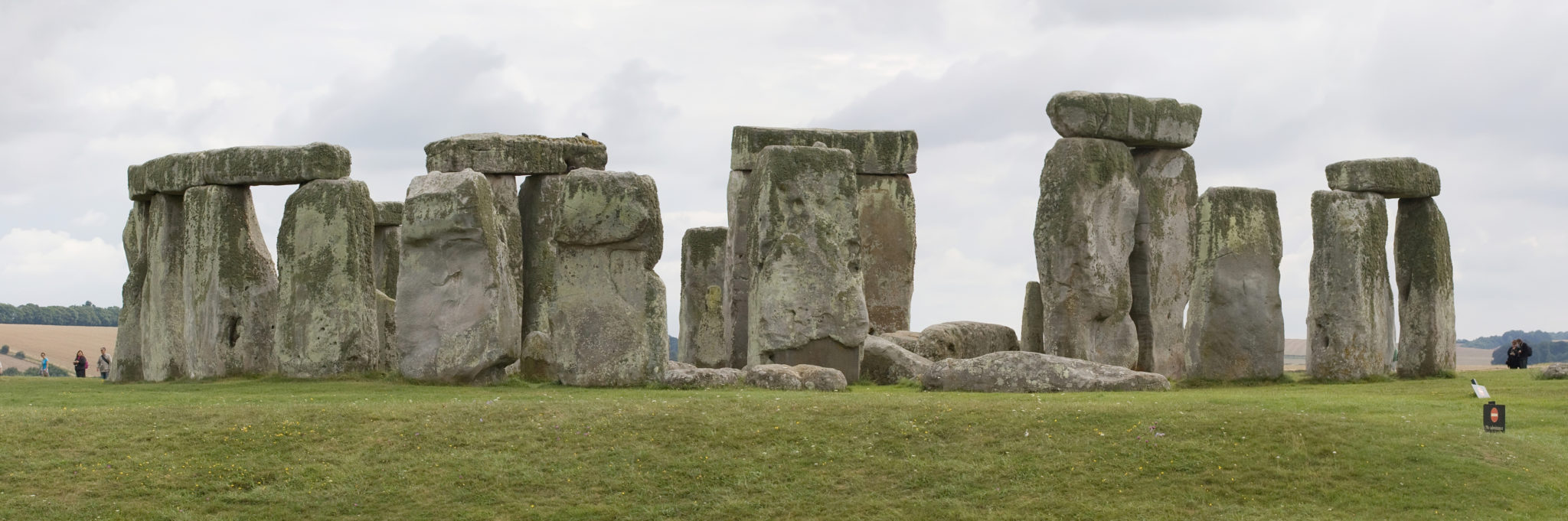
- 3000 BCE in England
- stones transported huge distances, nearly 300 miles!
- purpose unclear, but buried people were probably highly honored + may have connections to solar and lunar calendars
- could also have been center for pilgrimage for those seeking healing
9. Ambum Stone
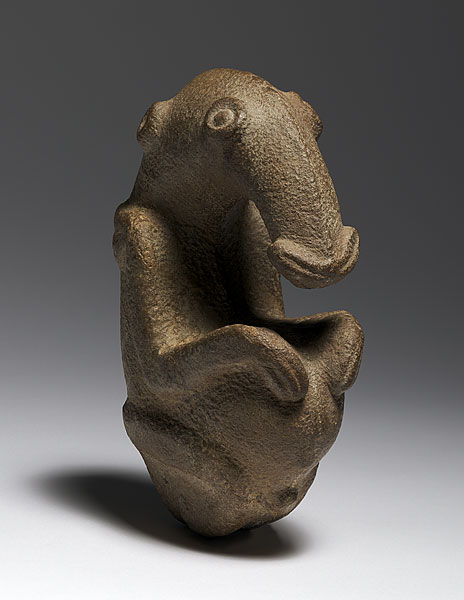
1500 BCE, New Guinea.
- could have been used as a pestle
- neck could have been used to hold the tool
- very smooth and symmetric
- could be anteater, bird, bat, or extinct marsupial
- made from greywacke—hard sedimentary stone
- New Guinea writes legislation to try to regain control of their artifacts
- grows more effective over time
- carved using only stone tools
- formal supernatural meaning erased, replaced by “primitive” and aesthetic appeal according to Western standards
10. Tlatilco Figurines
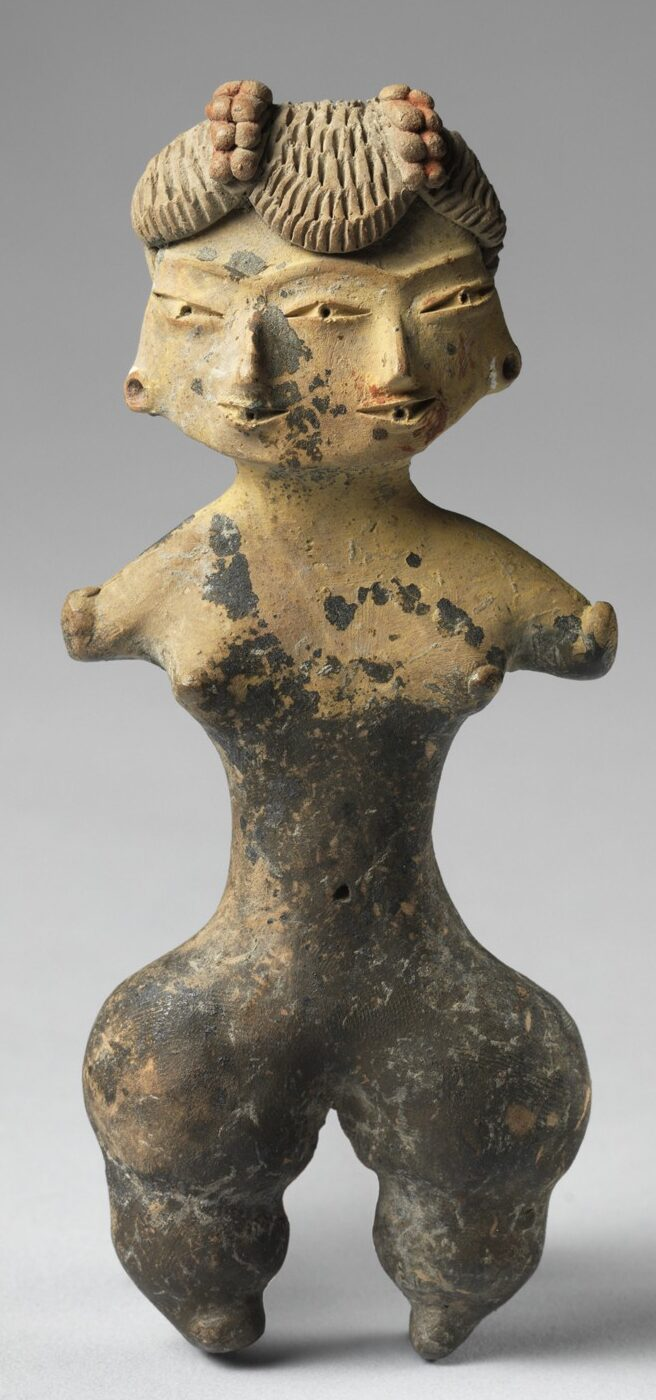
- 1200-600 BC in Mexico
- de-emphasis of hands + feet but incredible detail in hair => cultural significance?
- two heads could reflect the idea of duality
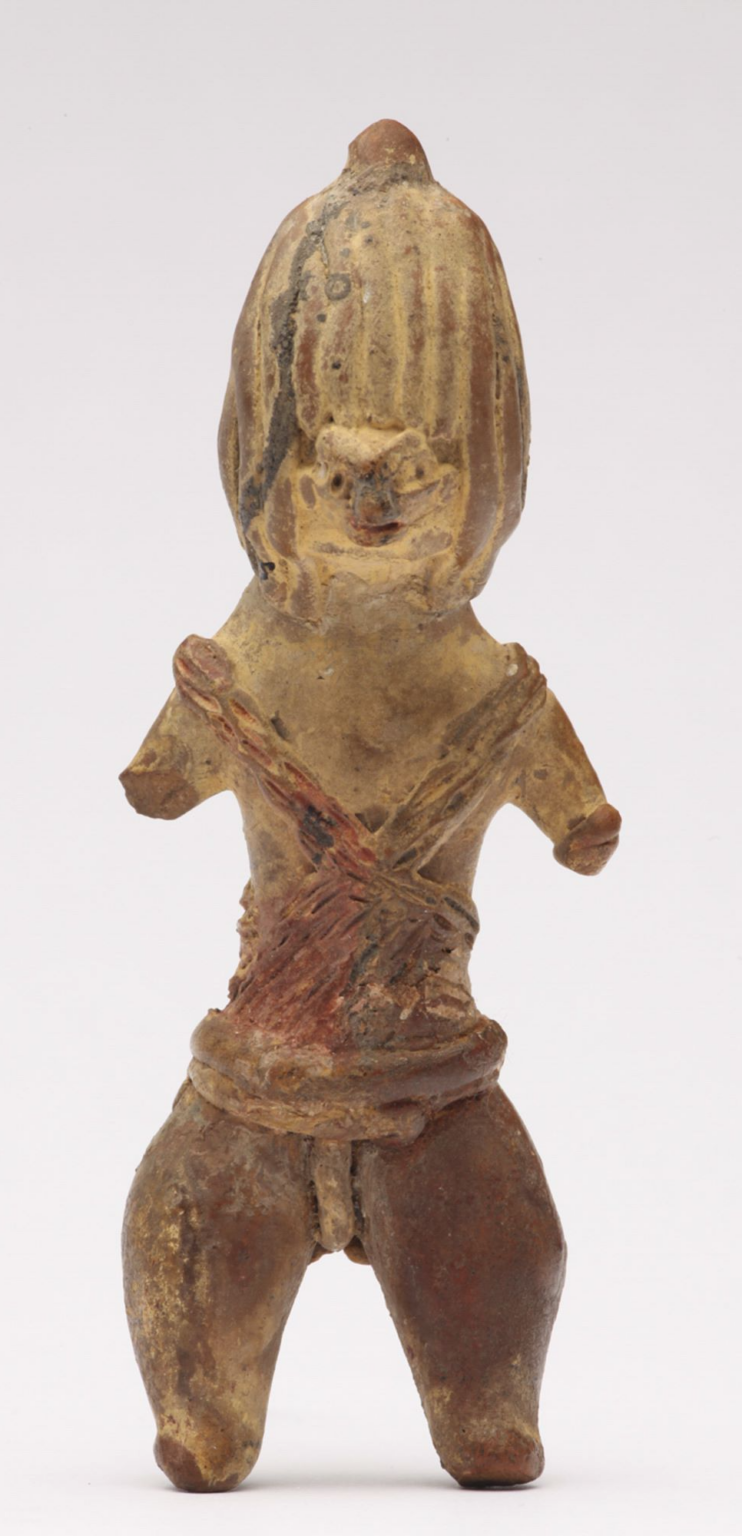
- male figures more commonly found w/ costumes/mask, suggesting they were valued more for ritual importance, while females themselves had ritual value
- much skill required to mold the figure proprtions and also create the detailed hair
- esp considering figures were < 6 in tall
- used in burials
11. Terracotta fragments
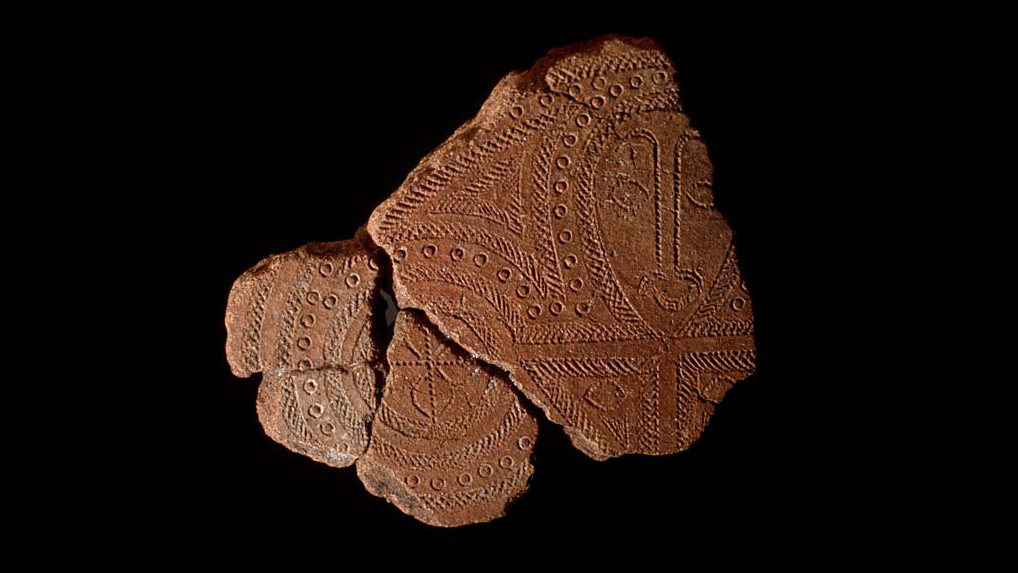
- 1000 BCE, Lapita people (island dwellers)
- pieces have been recovered across thousands of miles of islands
- pieces also connected across islands!
- pottery => used for storage rather than cooking
- started from Taiwan, then moved east
- patterns grew less complex as they moved further east
- motifs carved with sharp implements
- sand added to clay to reduce elasticity and prevent cracking when firing
- could have been used for commerce
- red-slip earthenware: coated with a liquid suspension of fine red iron-rich clay before being fired
U2. Ancient Mediterranean
12. White temple and ziggurat, Uruk (Sumerians, Iraq, 3500-3000 BCE)
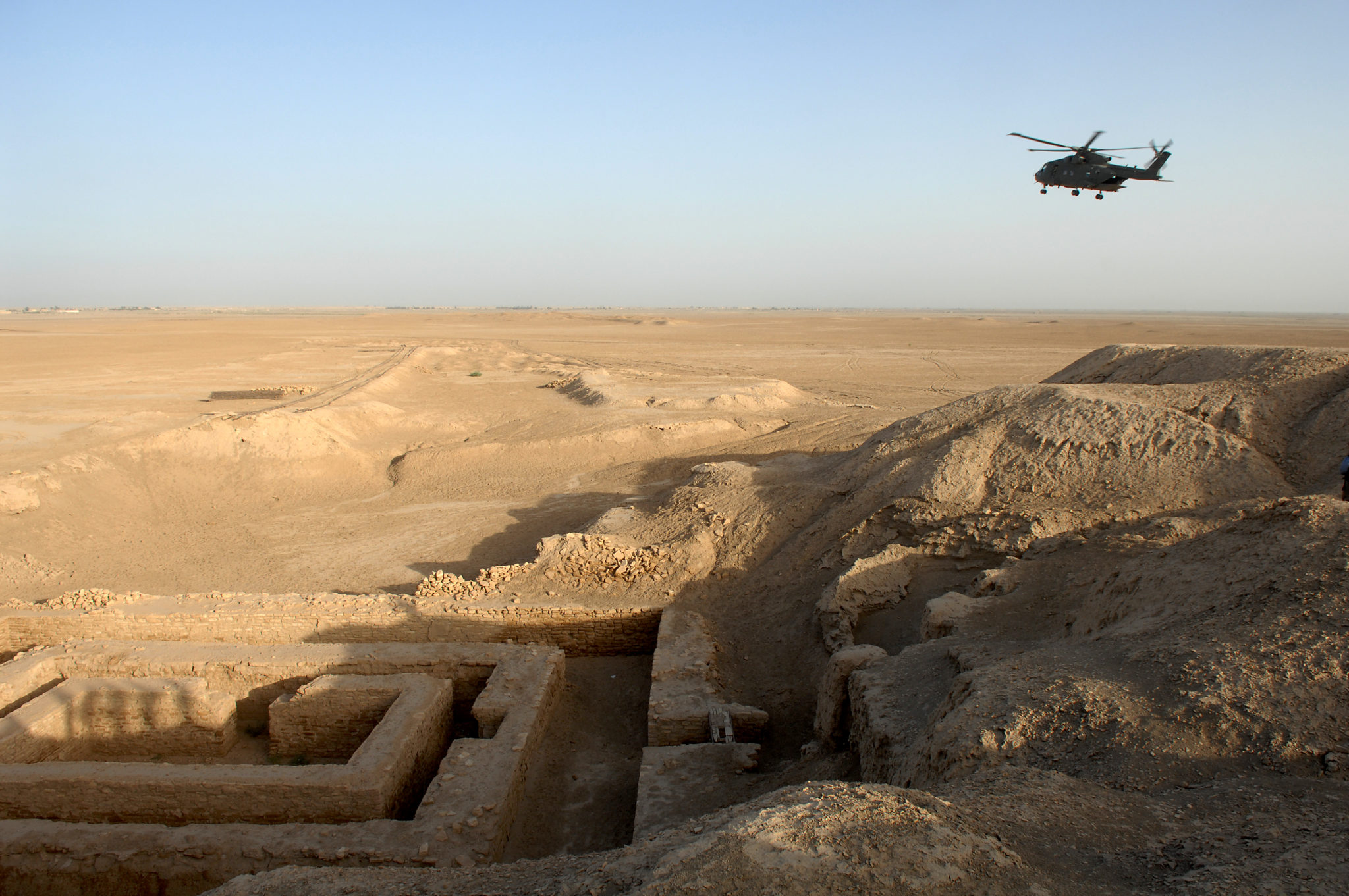
- Uruk was the first human city, and also one of the first places to develop writing
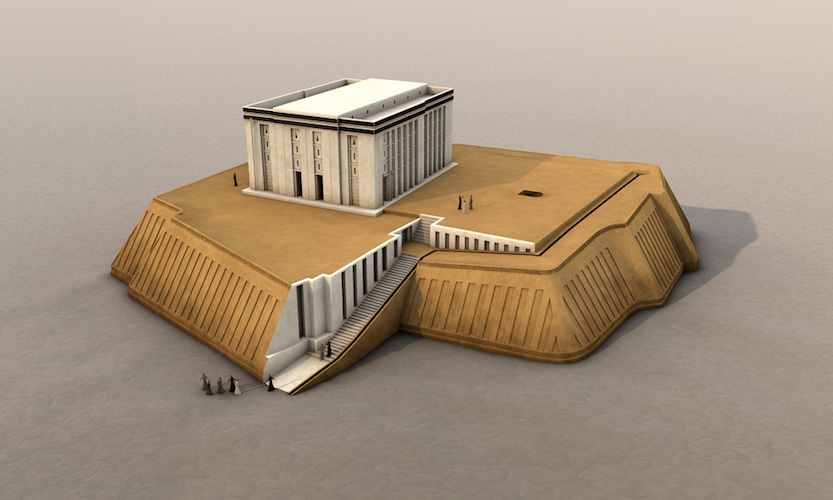
Digital reconstruction of white temple.
- built using dried mud brick due to lack of stone
- the bottom platform with sloping sides = ziggurat
- vertical recessed regions would have made a pretty pattern beneath the sunlight
- inside and outside of temple FULLY white => blinding brilliance beneath sunlight
- corners oriented to cardinal directions
- dedicated to Anu, sky god and patron god of Uruk
- reserved for priests and community leaders
- uses a bent-axis plan: requires visitors to make at least two turns to get into the temple
- forces viewers to walk around and admire the temple before entering
- using physical attributes (elevation, blinding color) to communicate value
- bunt offerings—oil, coin, rarely animals
13. Palette of King Narmer (Egyptians, 3000 BCE)
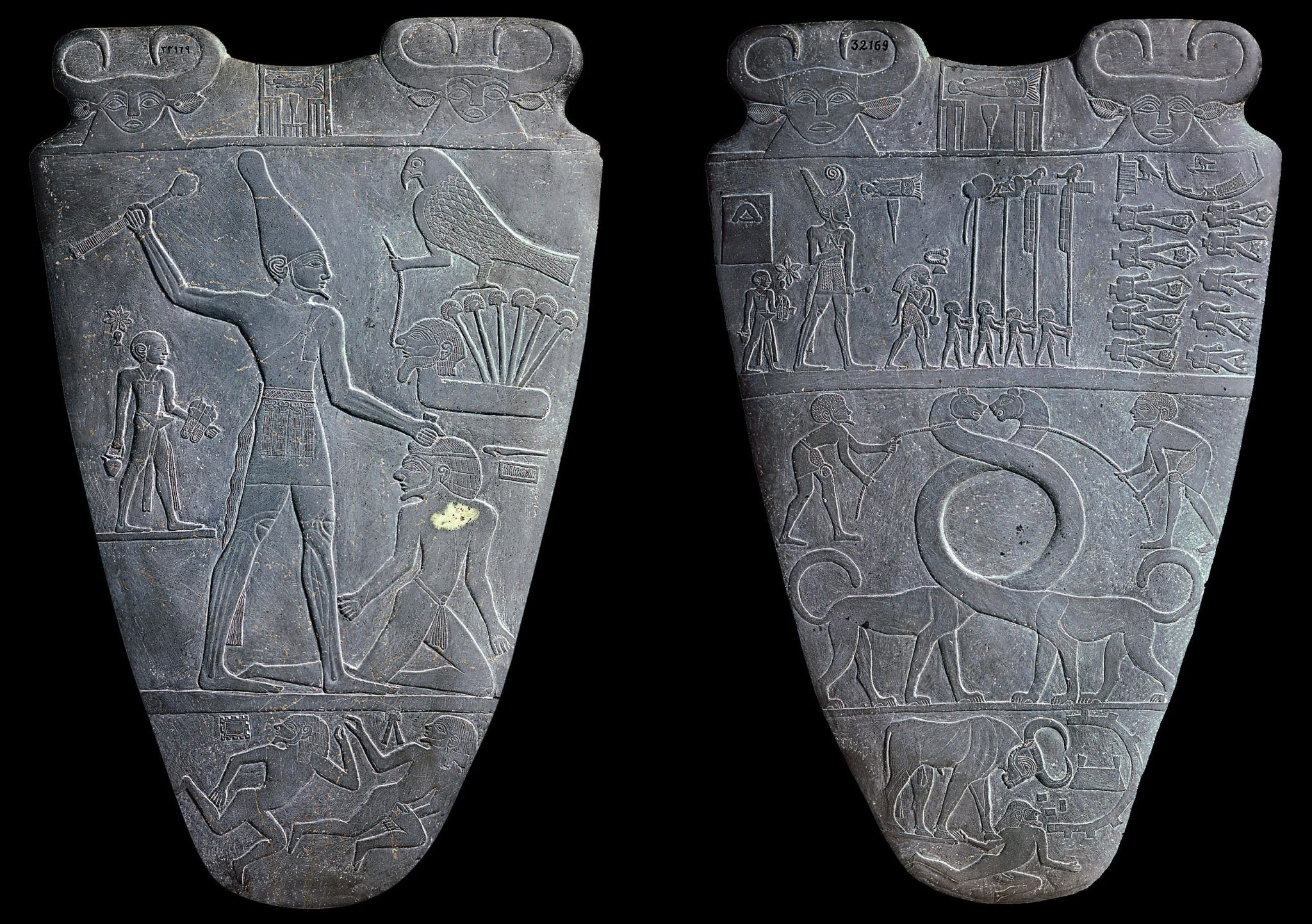
- made from smooth greyish-green siltstone
- palettes were typically used for grinding/mixing cosmetic materials, but this one has a ceremonial purpose
- buried within a temple
- contains many characteristics that persist through the next 3000 years of Egyptian art
- split into registers
- king appears on both sides, followed by his sandal-bearer
- bull at the bottom of backside may also symbolize the king—razing a city
- bulls also symbolize fertility
- wears “White Crown” of Upper Egypt on front side and “Red Crown” of Lower Egypt on lower side, which could commemorate the unification of Egypt?
- intertwined serpopards further symbolize unity of Lower and Upper Egypt
- on side 2, register 2, soldiers going into battle with standards
14. Worshipping figures (Sumerians, Tell Asmar, Iraq, 3000 BCE)
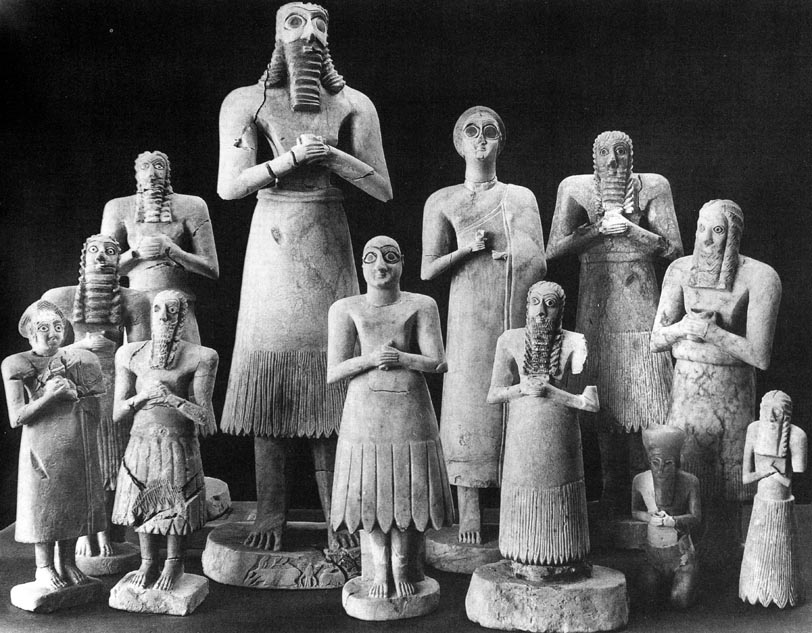
- range from 9 to 28 inches
- may have been meant as stand-ins for devotees who wished to continue worshipping even after death
- the perpetually open eyes symbolize constant attentiveness
- made from gypsum, inlaid with shell and black limestone
- signifies trade to get the materials
- hieratic scale: more important figures are larger than smaller ones
15. Seated scribe (Egypt, 2500 BCE)
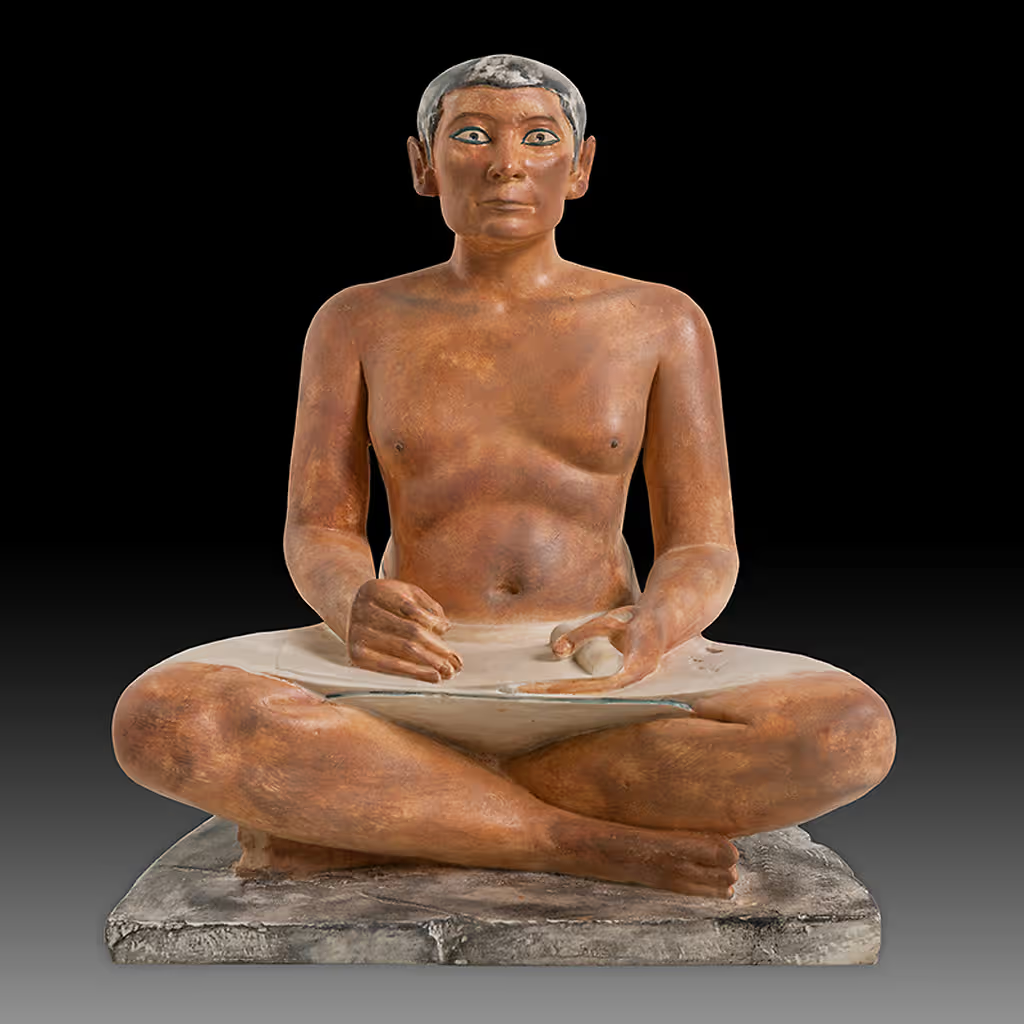
- mostly painted limestone
- surprising amount of surviving pigment
- nipples are wooden
- eyes => crystal + organic materials to add blue coloration
- found in necropolis (large cemetery)
- not idealized like typical pharaohs
- rolls of fat
- holding a scroll => suggests rare Egyptian focus on momentary rather than eternal
- careful details, esp. in fingers and fingernails
16. Standard of Ur (Iraq, 2600 BCE)
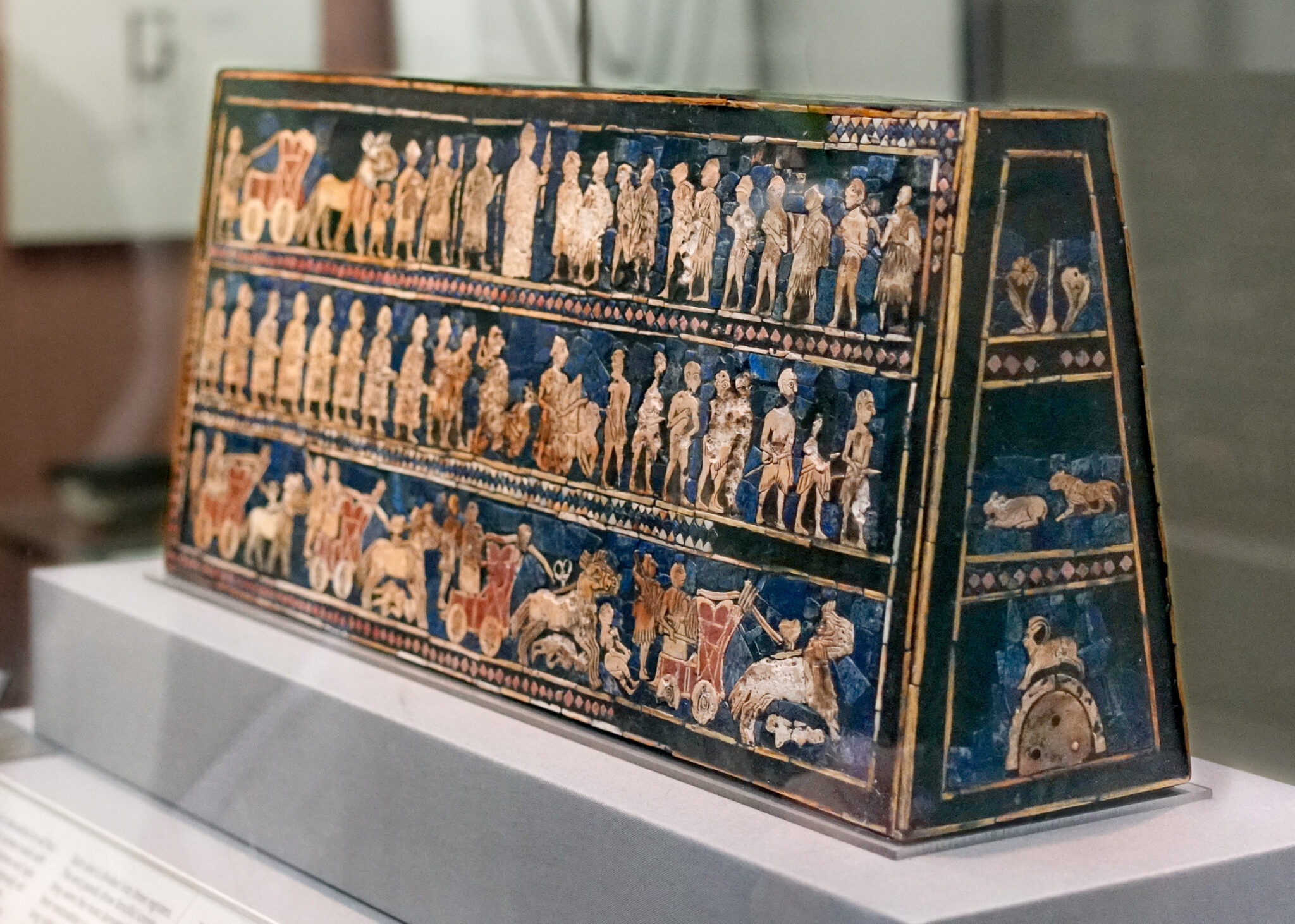
- split into two sides: war and peace
- war side contains chariots, soldiers, and felled enemies
- peace side contains festivities, drinks, agriculture, labor
- also separated into three tiers, representing societal stratification
- also illustrates tribute system
- on both sides, the king is placed in the top layer, and his head breaks through the top border
- diversity of materials (shell, lapis lazuli, red limestone) indicates the extensive trade network of the culture that produced this artwork
17. Great Pyramids (Egypt, 2500 BCE)
- made from limestone
- pyramid may represent solidified form of solar rays, serving as ramps for the pharaoh to ascend to heaven
- town for workers to the south => partially explains how they carried out such an intensive task
- body embalmed in valley temple, carried to funerary temple, then place body in tomb
- suffering from urban development + encroachment
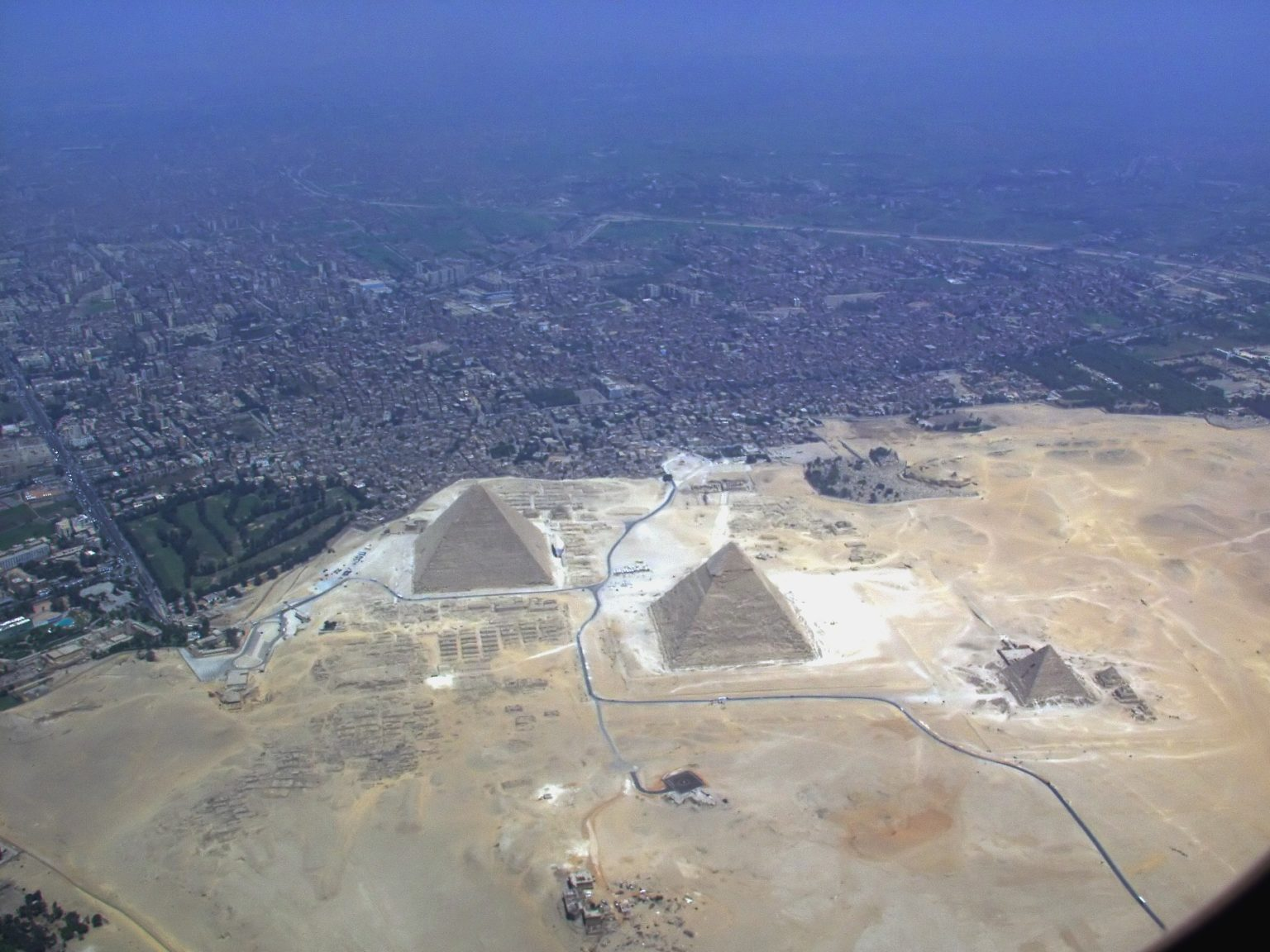
- UNESCO had to combat efforts to build a highway/tunnel through the site
- KHUFU
- nothing taller built until 1200 CE
- over 2 million blocks
- contains boat pits for transport into the afterlife
- KHAFRE + SPHINX
- casing stones survive at the top of the pyramid
- sphinx = lion with human head; lion was royal symbol and also connected w/ sun as symbol of the horizon
- MENKAURE
- smallest of the three
18. Menkaure & queen (Egypt, 2400 BCE)
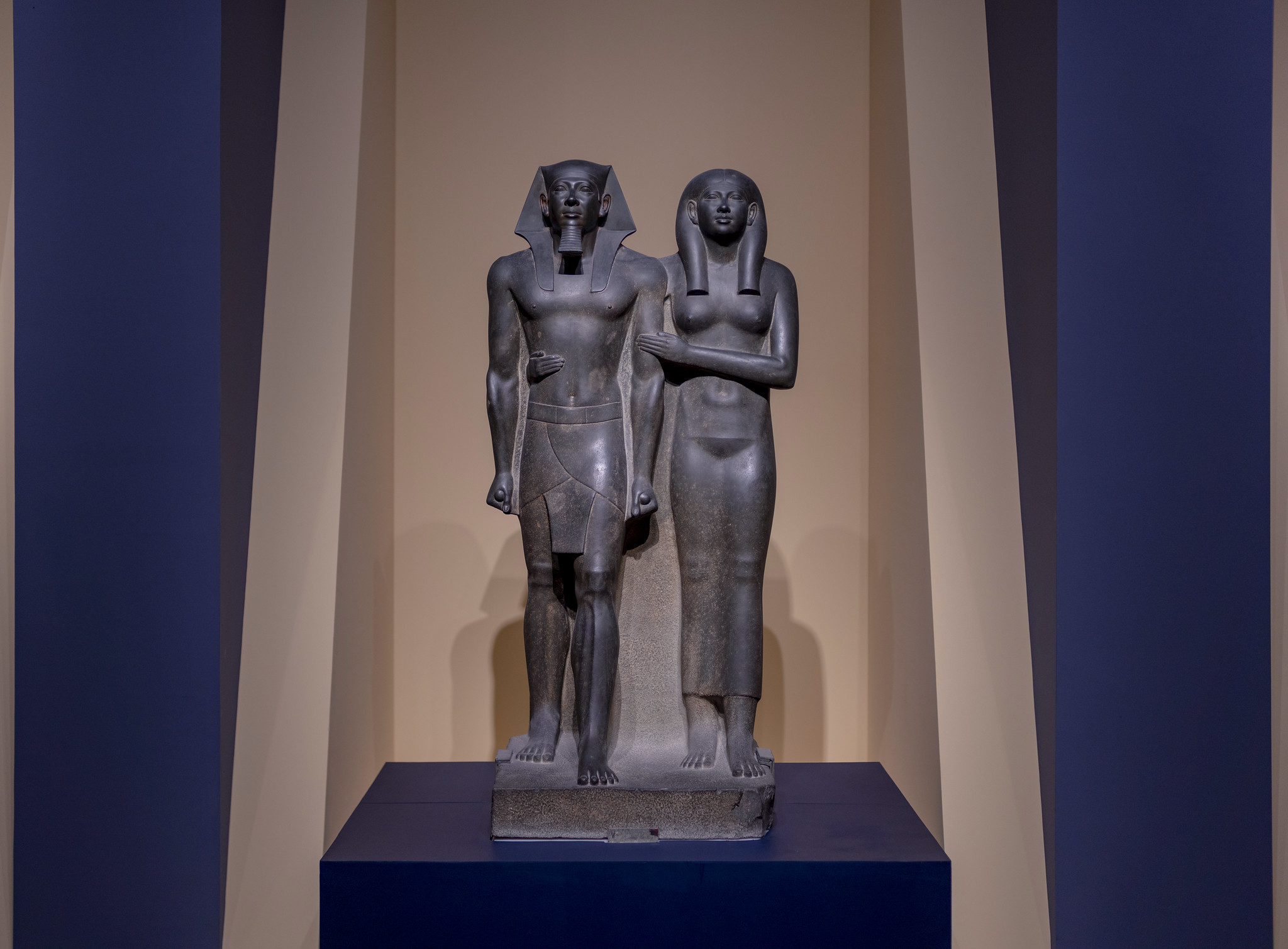
- found in valley temple, which were temples placed some distance away from pyramids, intended for cult worship
- …for which they supplied many images of the pharaoh in question
- paint worn away—some suggest this may have been an intentional choice: to reveal the immortal, black-fleshed “Osiris” Menkaure over time
- carved from sandstone
- both are shown stepping forward with their left foot
- could be stepping into the afterlife
- columnar style, little sense of dynamic movement
- again, emphasis on order
- the fact that the two are depicted on equal standing makes it more plausible that the queen is his mother, NOT his wife
- Menkaure could be a boy-king, just depicted as stronger and older
19. Code of Hammurabi (Babylon, Iraq, 2000 BCE)
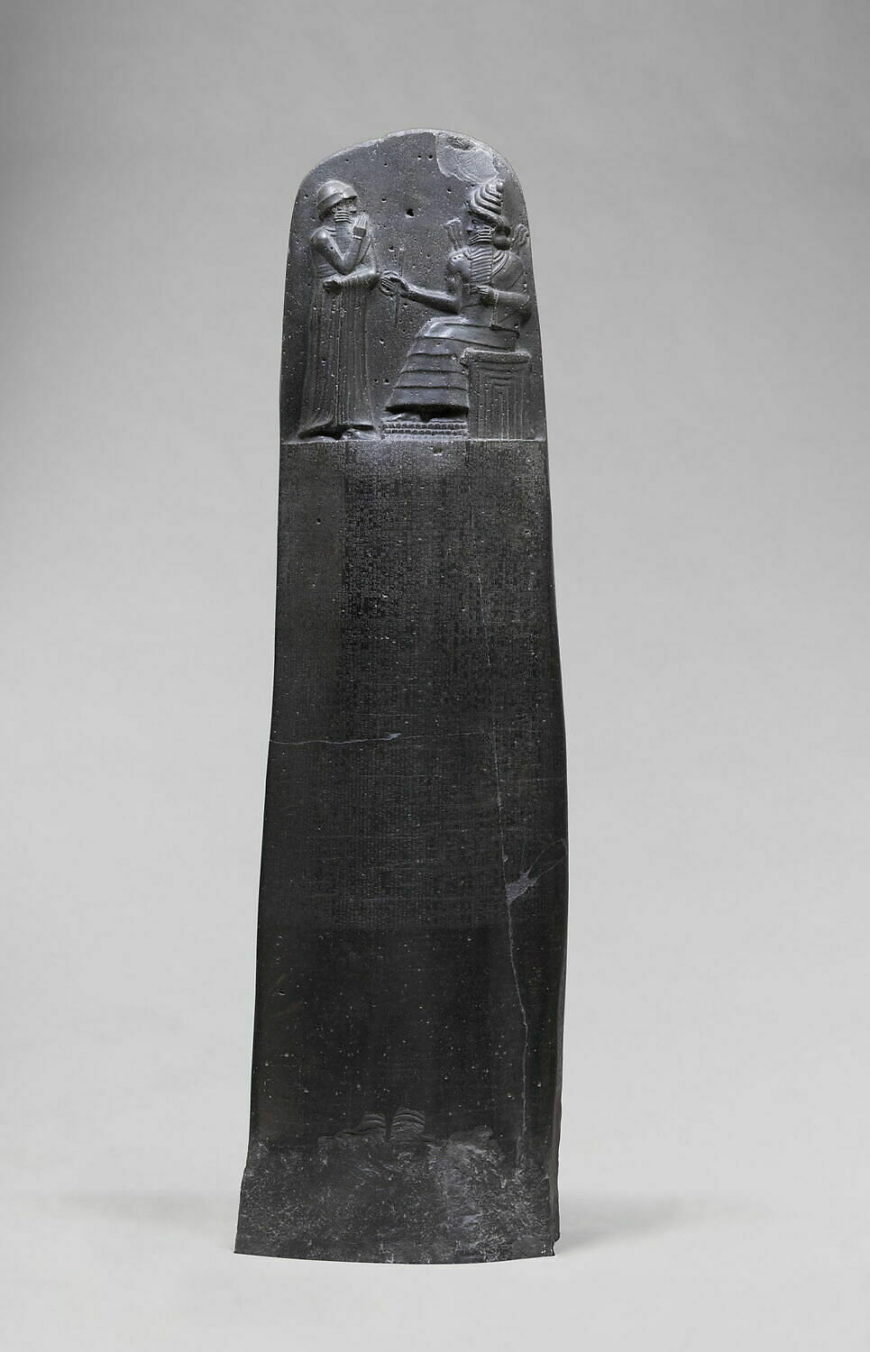
- at the top, Hammurabi faces the god of justice Shamash
- god hands him scepter + ring (symbols of authority + power)
- divine right to rule
- god wears special horned crown + emits light from his shoulders
- inscribed cuneiform below
- made from basalt
- uses composite view
- laws capture must of what was important to its culture, i.e. agriculture and fairness
- also lots of laws about slave conduct
Temple of Amun-Re (Karnak, Egypt, 1000 BCE)
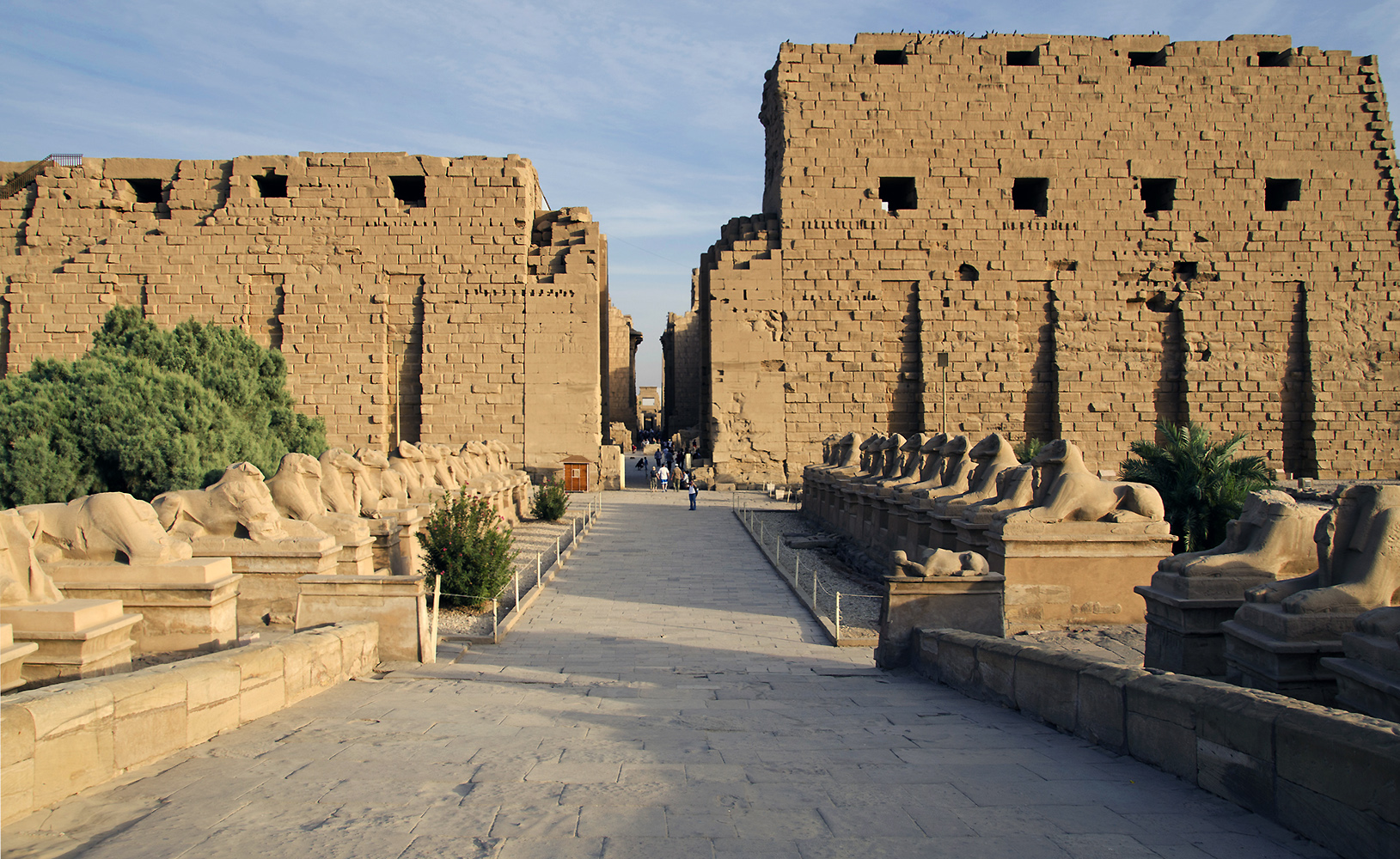
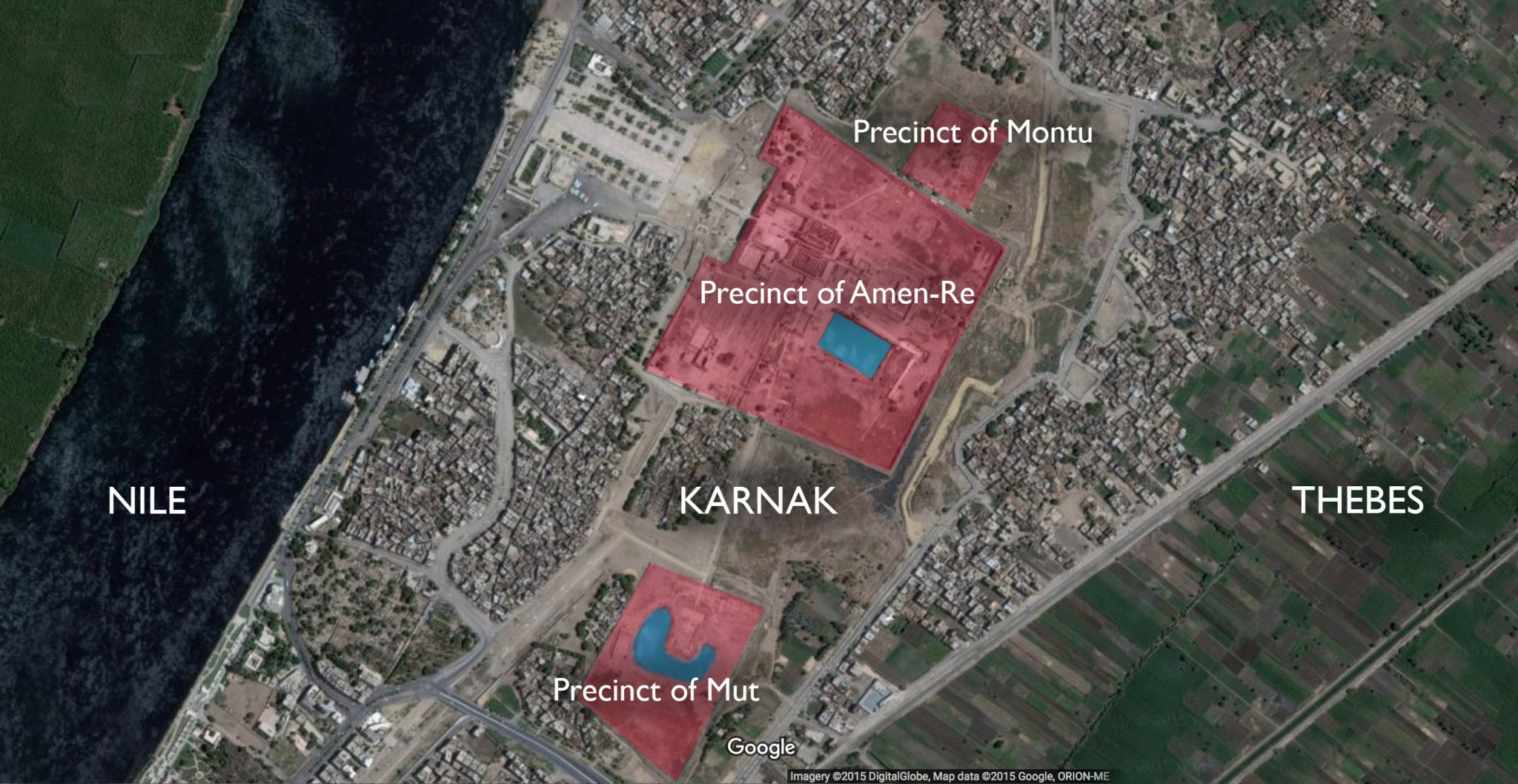
- aligned to cardinal directions
- pylons: interesting mix between wall and gate
- hypostyle (supported by pillars) hall: 134 massive pillars, center ones 69 feet tall
- center taller than both sides—allows for clerestory lighting (section of wall that letes light into an otherwise dark room)
- connects thematically to zep tepi, i.e. creation: floor rises as you progress through the temple, mirroring the mound that rose from the Nile
21. Mortuary temple + Kneeling statue of Hatshepsut (1400 BCE, Egypt)
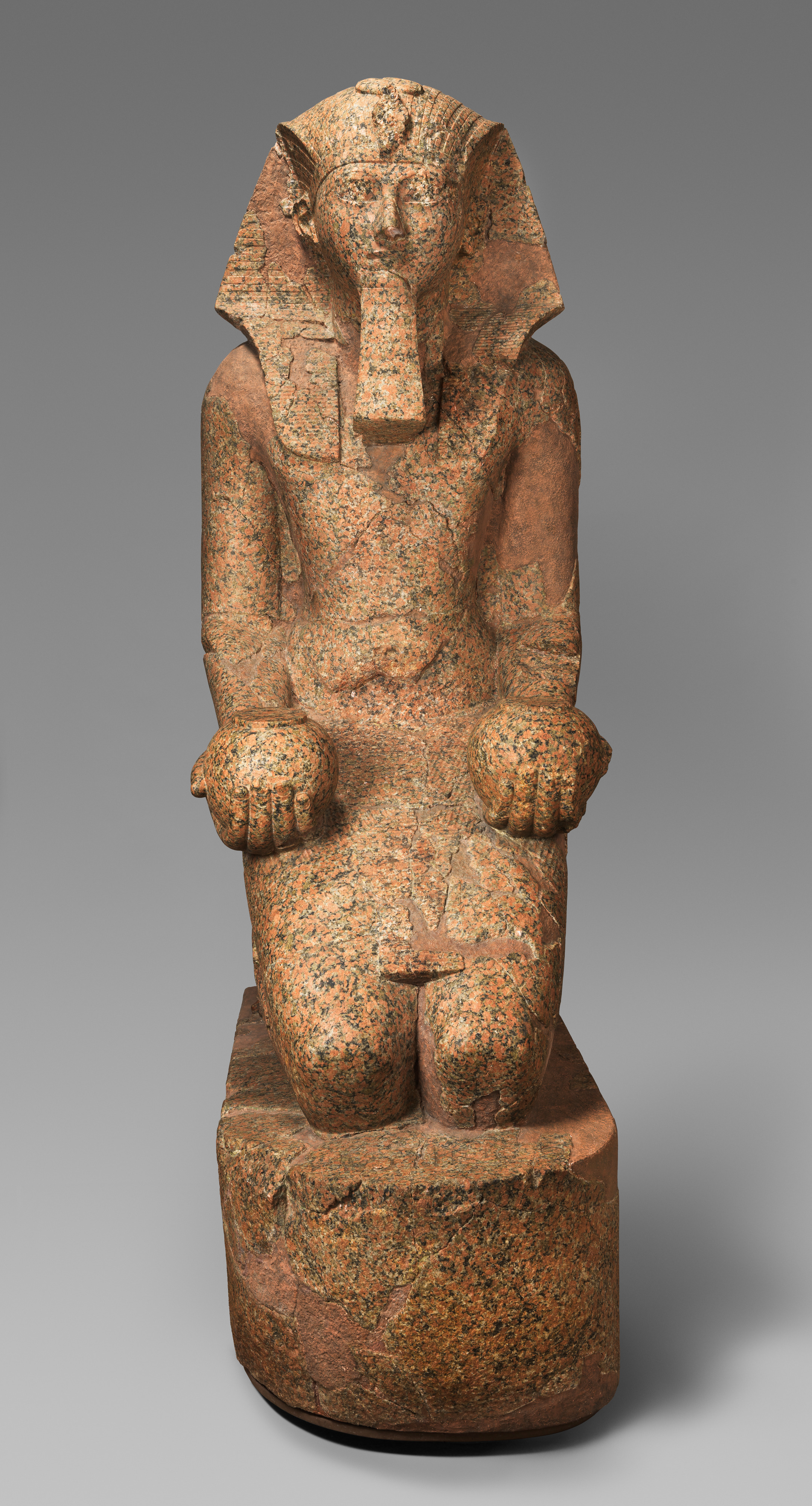
- made for mortuary temple (along with other figures like Sphinx of Hatshepsut)
- depicted in rather masculine way (breasts deemphasized)
- but you can still see the narrower waste
- difficult position (hard on knees/toes), but held eternally
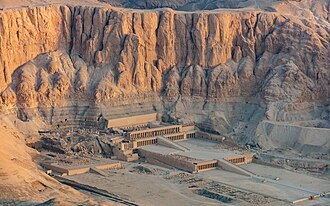
- very dramatic location w/ the surrounding cliff face
- gives the temple of sense of permanence/eternality
- Hatshepsut recognized art (commissioning temples/sculptures) as a way to assert power
- after her death, co-ruler + stepson Thuthmose orders for her images to be destroyed
- but there’s too many, and
- granite is also a really hard material
25. Lamassu sculptures (from Assyrians, Iraq, 700 BCE)
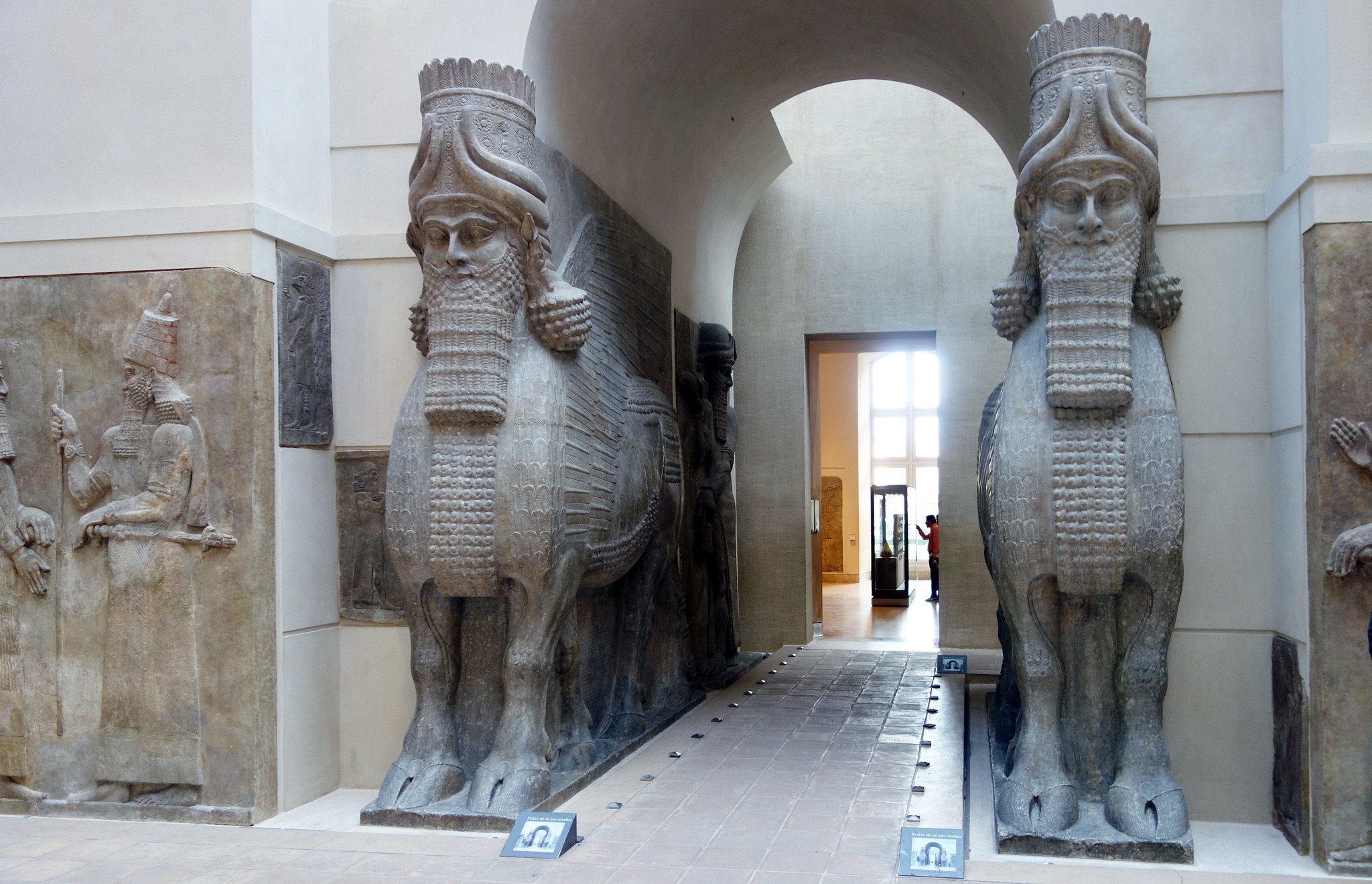
- winged bulls with human heads
- monolithic reliefs—no cuts (alabaster/limestone)
- placed at gateways
- intricately designed crown, beard, and wings
- also contains inscriptions in cuneiform
- 5 legs—intended to be seen as a guardian from the front and a companion from the side
- can see veins and muscles in legs
- divine horns
27. Anavysos Kouros (Greece, 530 BCE)
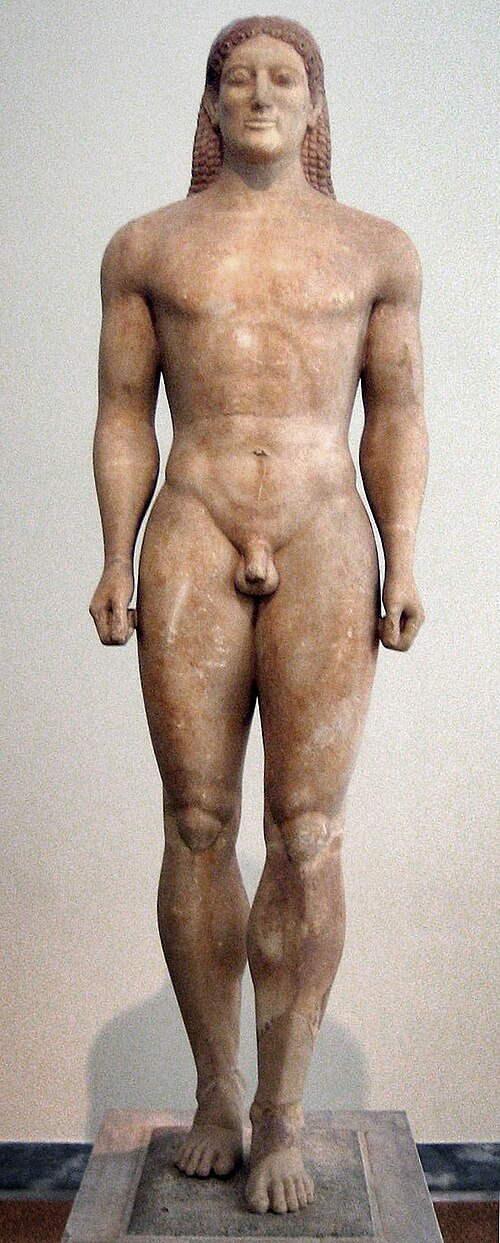
- plural koiroi
- meant to represent idealized male figure
- greeks may have been inspired by egyptian sculpture, but several features distinguish the two styles:
- egyptians typically sculpted clothed figures vs. greek nude figures
- egyptian statues often had to be supported by stone, while greek statues can stand freely
- very naturalistic: volumetric muscles, more accurate face, attention to transitions between body parts
- meant to commemorate a warrior named Koiros
- marble sculpture
Peplos Kore (Ancient Greece, 530 BCE)
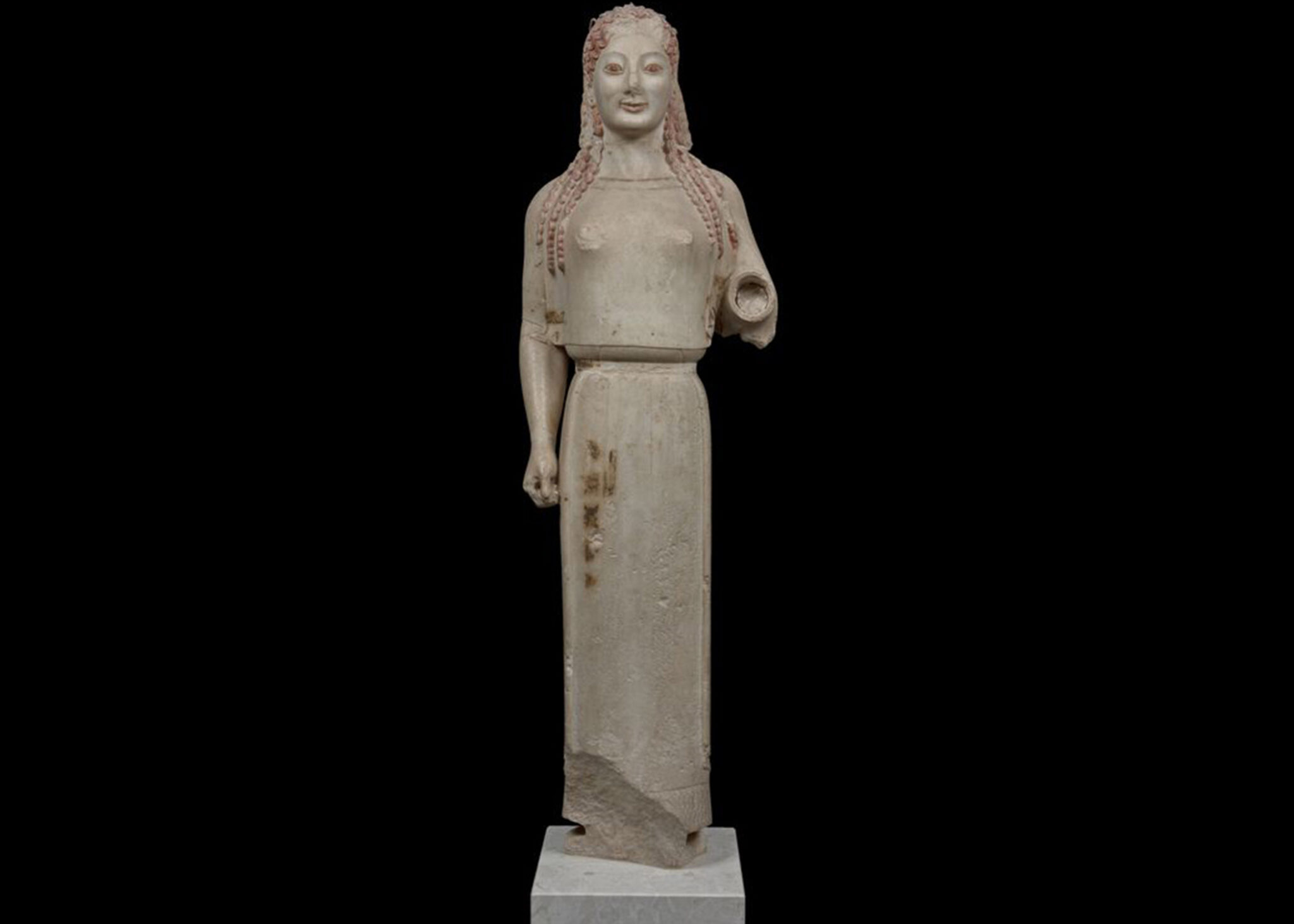
-
plural korai
-
slight smile (Archaic smile) signifies liveliness rather than happiness
-
symmetric hair…but not perfectly symmetric
- left shoulder slightly higher
- cape slanted at her belt
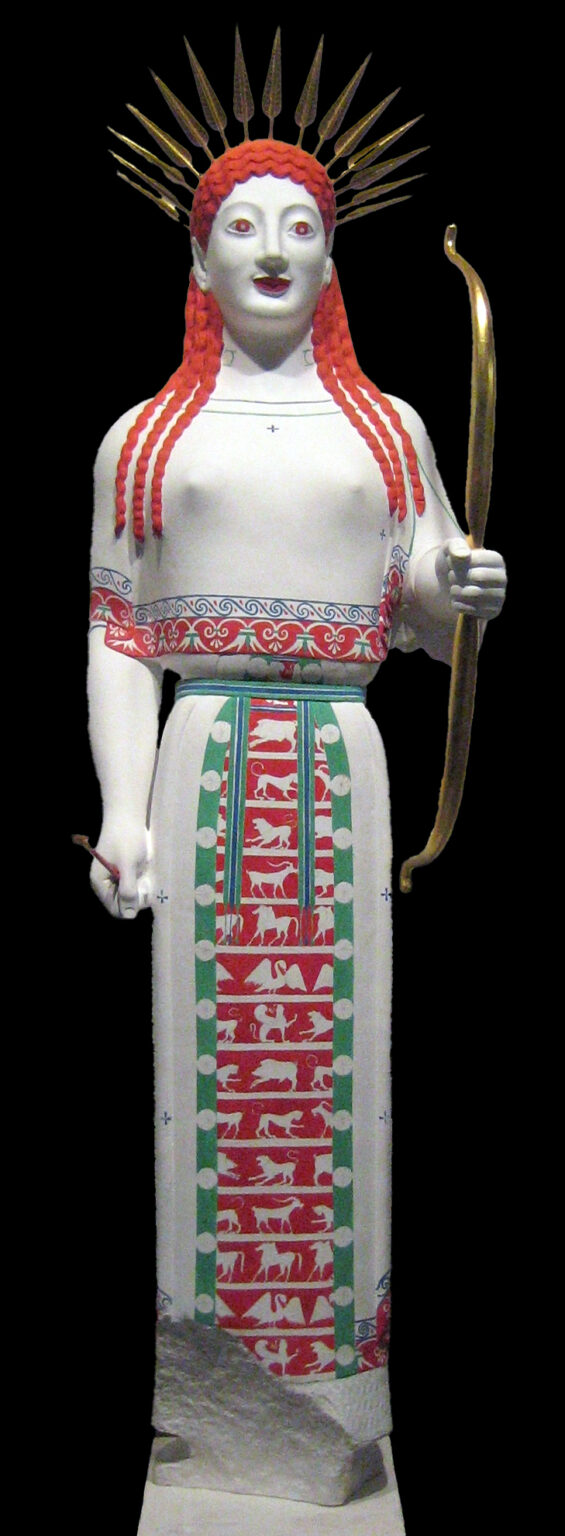
-
reconstruction w/ colors and crowns
-
panels of real and mythical animals suggest that the woman maybe be Artemis, goddess of the hunt
-
could be holding bow and arrow
-
spokes in the head that may have borne a crown